The Pressure Inside the Kitchen

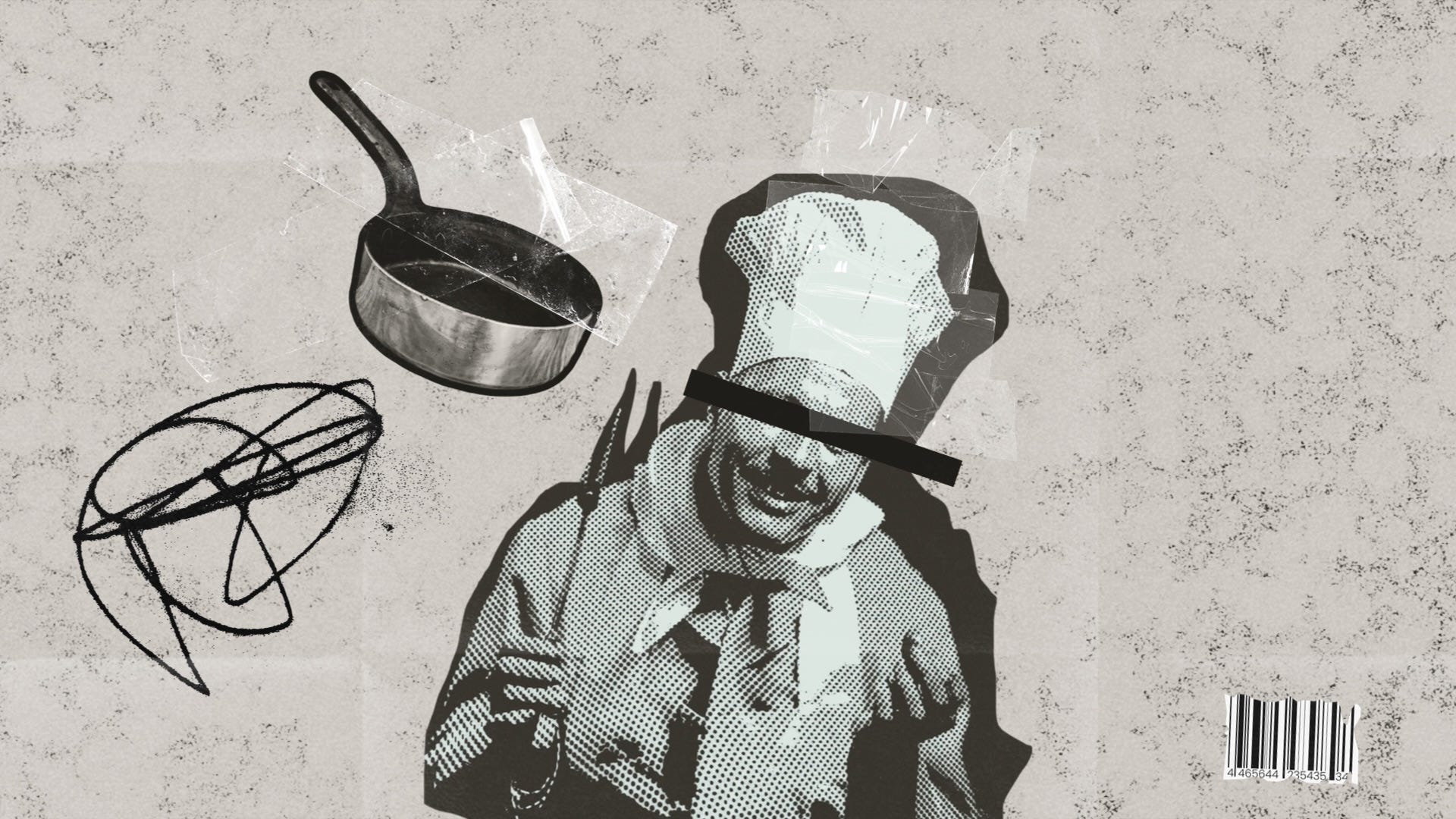
I remember the jabs in the ribs to get my attention. Someone stomping on my foot when I moved too slowly. A hot spoon pressed against my arm during service.
Plates smashed on the station. Pans thrown down the line.
For a long time none of that seemed unusual. In many kitchens, it was just part of the job. Part of my job. I came up in restaurants before social media reshaped the industry, when intimidation was still treated as a form of training. Kitchens were loud, fast moving environments where mistakes were punished quickly and publicly, hidden in closed off kitchens. If you wanted to work at the highest level, you were expected to endure it. For years, cooks accepted that culture because we believed it was the price of admission. It happened to me, so now it would happen to you.But looking back, none of that behavior actually made anyone a better cook.
The pressure inside restaurant kitchens is real… Sort of.
Cooking at a high level is demanding work. When I say high level, I do not mean luxury for the sake of it or cooking tied only to prestige. I mean cooking with intention. Cooking that goes beyond commerce. Work driven by curiosity, discipline, and care. The kind of cooking that reflects a point of view. That kind of work exists at all scales. In a small neighborhood spot, on a food truck, in a tasting menu, or in a personal project. It is not defined by size or price. It is defined by purpose.
A busy service can feel like controlled chaos. Tickets stack up on the rail, burners are full, and every cook on the line is moving as fast as possible. But the way people talk about pressure in restaurants can be misleading. And much of the pressure cooks feel every day is not actually coming from the guests in the dining room. A lot of it is artificial.
It comes from the culture we have built around restaurants. Ratings. Rankings. Awards. Lists. The constant search for the next big thing. Chefs and restaurants are measured against a moving target of perfection that does not really exist. Every dish is expected to be flawless. The relentless doom scrolling to keep up with the Jones’. Your restaurant is expected to be extraordinary. Inside the kitchen, that expectation can warp the way people behave.
When uncertainty hits, fear takes over. A guest complaint. A misfired ticket. being down a cook on the line. The pressure builds quickly. Tick, tick, tick. Not because the mistake is catastrophic, but because the culture around the kitchen has made it feel that way.
Restaurant work is still physically demanding. Even at your peak you will cut yourself, burn yourself, make mistakes, and doubt whether you can keep up. The discipline required to cook at a high level is intense. But over time something remarkable happens. You adapt. Skills sharpen. Confidence builds. That transformation is one of the beautiful things about cooking. For many of us, it is what saved us.
The false fear and pressure continues.
I once staged at a three star restaurant where the sous chef screamed at the entire group of stages and interns for a mistake made by someone else. A metal pan of soapy water fell on the floor while we were cleaning. He told us we were not worthy to work there and said that if we truly wanted the job, we should come back the next day.
I never returned.
Instead, I chose a job in another three star kitchen where the pressure was more internal. The standards were high and the work was demanding. But even there, the small acts of intimidation and the jabs continued, just more quietly.
For a long time, it was framed as a rite of passage. Again “It happened to me, so now it would happen to you.”
Looking back, what was missing in many of those kitchens was emotional intelligence. Chefs were rarely taught how to manage people or respond to mistakes without anger. Leadership was something people were expected to figure out on their own.
Leadership in kitchens is usually inherited rather than taught. Young chefs imitate what they experienced. And historically, many kitchens were built on fear.
I pushed through those years. Hell, I even excelled. But not without scars, both personal and professional. It left me with a short fuse for anything below the standards I set for myself. It took time, and opening my own restaurant, to learn how to get the best from myself and from others. A simple realization. Anyone who truly wants to be great at something is already hard on themselves. They do not need someone else breaking them down. It is better to water those flowers.
When I eventually found myself leading my own restaurant, I knew I wanted to try something different.
We built systems designed to reduce the unnecessary pressure that so many kitchens create for themselves. There are no loud ticket machines screaming across the line. Service is structured in a way that allows the kitchen to stay focused rather than reactive. We created two controlled turns, leaving a gap between services to restock, refocus, Some laughter while checking in on one another, and be able to genuinely greet the next dining room of guest with the same care. Because if we do not feel right, how can we expect our guests to feel at ease.
Even with those two seatings, the machine was still riding on the edge. So we added a cap to each turn to avoid burnout. The longevity of a team matters for everyone. The owner, the employee, and the guest. That is how culture starts. The pace is for the team, not for profit.
Each member of the team has clear responsibilities and a level of autonomy over their dish. They have the power to make changes to improve it. Everyone is accountable for their part of the process, but they also understand how their work supports everyone else. That clarity removes a lot of the confusion and panic that can creep into a busy service. Respect is non negotiable.
That does not mean the kitchen is a vacation. Standards are high and the work is always in flux with our hyper seasonal approach. We still strive to improve every day. But the goal is to build people up rather than break them down.
It is not perfect. There are nights where things slip. There are moments where frustration creeps in. But overall the room stays calmer than almost all the kitchens I grew up in.
Some might say that approach removes a certain intensity from the experience. Maybe it does. Maybe the lack of chaos means you do not see some of the theatrical movement people expect from restaurants chasing accolades. I am okay with that. The goal is not to create the most dramatic kitchen. The goal is to create an environment where talented people can do meaningful work without burning themselves out in the process. This is sustainability, its not just the food.
Earlier this year, I told my staff that we were going to aim for two stars. More as an exercise. What would make us better, and could we do it our way?
At first it was difficult. We had honest conversations about standards, accountability and culture. But I made a commitment to myself that we would not run the kitchen differently. Dignity was a priority.
Over time, the team rallied around the challenge. We built stronger systems, clearer communication, and better collaboration between the kitchen and the dining room. Where we are today feels good. Better than ever.
Will we earn those stars? I honestly do not know. At this point, I am not sure it matters. The work we have done together and the culture we have built feels more meaningful than any accolade. We do not need instant confirmation. The progress will grow over time.
Because excellence and dignity are not opposites. In fact, the future of great restaurants may depend on proving that they belong together.
This is the next step for the industry. Kitchens can be demanding without being demeaning. We can build teams, systems, and structures that maintain rigor and high standards while creating an environment that allows people to thrive.
The craft of cooking has always been beautiful and difficult. It should challenge us, teach us, inspire us and give us a skill set to be proud of. But it should never be a system designed to break us.
For a kitchen to function sustainably:
respect, clarity, and dignity cannot be optional. They are as essential as technique, timing, and heat.
Excellence and respect do not cancel each other out. They reinforce one another.
The kitchens of the future will not be measured only by stars or accolades, but by the strength of the teams behind the stoves and the joy they carry into every plate.
That is the work I want to dedicate myself to. That is the kind of kitchen I want to lead.
That is success.